
Views: 0 Author: Site Editor Publish Time: 2025-10-02 Origin: Site


Ever wondered about the difference between DBB and DIB valves? These valves are crucial in industries, ensuring safety and efficiency. Understanding their distinctions is vital for selecting the right valve for your needs. In this post, you'll learn about DBB Ball Valve, its functionality, and why knowing the difference matters.
Double Block and Bleed (DBB) valves are designed to provide isolation in piping systems by using two seating surfaces within a single valve body. These seats create seals against pressure from both ends of the valve when closed. Additionally, DBB valves include a means to vent or bleed the pressure trapped in the cavity between the seats. This venting feature allows for pressure relief and verification of seat integrity. According to API 6D, a DBB valve is a "single valve with two seating surfaces that, in the closed position, provides a seal against pressure from both ends of the valve, with a means of venting/bleeding the cavity between the seating surfaces."
DBB valves typically use unidirectional seats that seal pressure from one side only—usually the upstream side. These seats rely on a single-piston effect, meaning pressure from upstream pushes the seat against the ball to create a seal. If pressure reverses or builds up in the cavity between the seats, the downstream seat can relieve this pressure by moving away from the ball, allowing the trapped pressure to bleed back into the pipeline. This self-relieving feature prevents overpressure inside the valve body, protecting it from damage.
The bleed or vent port between the two seats provides a way to monitor and release any pressure that leaks past the first seat. This setup ensures that maintenance teams can verify isolation before working downstream, enhancing safety and operational reliability.
DBB valves are widely used in industries where reliable isolation and pressure relief are critical. Common applications include:
Instrumentation Bypass Loops: For flow meters, pressure gauges, and other instruments requiring periodic calibration or maintenance. DBB valves isolate the instrument from the process fluid and allow bleeding of trapped pressure.
Process Isolation: Sections of piping or equipment can be isolated for repairs or maintenance without shutting down the entire system.
Liquid Service: The self-relieving seats are particularly useful in liquid applications where thermal expansion might cause pressure buildup inside the valve cavity.
General Industrial Use: Wherever double isolation and pressure bleed are necessary but absolute isolation from both sides is not mandatory.
DBB valves offer a compact, cost-effective solution by replacing the need for multiple valves and reducing potential leak paths. However, because the downstream seat can relieve pressure back into the pipeline, they may not be suitable for applications requiring absolute isolation from both sides.
Double Isolation and Bleed (DIB) valves are designed to provide absolute isolation on both sides of the valve, using two seating surfaces that seal against pressure from a single source each. Unlike DBB valves, DIB valves use bidirectional seats, which means the seats seal pressure from either upstream or downstream directions. This ensures a higher level of isolation since pressure cannot leak past the seats into the valve cavity or downstream piping. According to API 6D, a DIB valve is defined as a "single valve with two seating surfaces, each of which, in the closed position, provides a seal against pressure from a single source, with a means of venting/bleeding the cavity between the seating surfaces." This feature can be provided in one or both directions.
DIB valves utilize bidirectional sealing seats that create a double-piston effect. Pressure from either side pushes the seat tightly against the ball, forming a secure seal. This differs from DBB valves, which use unidirectional seats that seal pressure from only one side. Because of the bidirectional seats, DIB valves prevent pressure buildup in the valve cavity by isolating it completely from both upstream and downstream pressures. Since the cavity pressure cannot vent through the seats, an external bleed or vent mechanism is often required to safely relieve any trapped pressure within the valve body.
In some configurations, DIB valves combine one bidirectional seat and one unidirectional seat (known as DIB-2), allowing cavity pressure to bleed back to the upstream side if needed. This hybrid design provides both secure isolation and pressure relief capabilities.
DIB valves are ideal for applications where absolute isolation is critical, such as:
High-Pressure Process Maintenance: When sections of a pipeline or equipment need servicing without risk of pressure or fluid leakage downstream.
Food and Beverage Industry: Where contamination between upstream and downstream fluids must be strictly avoided to comply with hygiene standards.
Oil and Gas Industry: For isolating volatile or hazardous fluids where safety and environmental protection demand double isolation barriers.
Metering and Instrumentation: To ensure accurate measurements by preventing any leakage that could affect instrument calibration.
These valves excel in scenarios requiring stringent safety and cleanliness standards. Their ability to isolate pressure from both sides independently makes them the preferred choice where a second barrier is necessary to protect personnel, equipment, or product integrity.
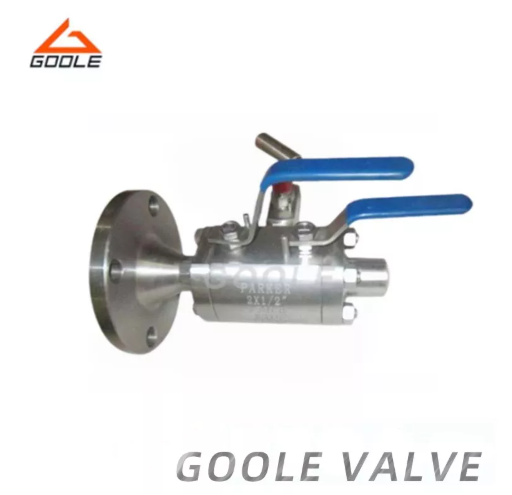
The main difference between DBB (Double Block and Bleed) and DIB (Double Isolation and Bleed) valves lies in their sealing mechanisms. DBB valves use unidirectional seats that seal pressure from one side only, usually the upstream side. This means pressure pushes the seat against the ball to create a seal in one direction. If pressure builds up between the two seats, the downstream seat can relieve it by moving away from the ball, allowing trapped pressure to bleed back into the pipeline.
On the other hand, DIB valves use bidirectional seats that seal pressure from either side. These seats have a double-piston effect, meaning pressure from upstream or downstream pushes the seat tightly against the ball, creating a seal on both sides. This provides absolute isolation, preventing pressure or fluid leakage past the seats into the valve cavity or downstream piping.
DBB valves allow pressure trapped between the two seats to bleed off through a vent or bleed port. This self-relieving feature protects the valve body from overpressure caused by thermal expansion or leakage past the first seat. However, this means the valve cavity can communicate with the pipeline downstream, which may not be acceptable in certain hazardous or contamination-sensitive applications.
DIB valves do not relieve cavity pressure through the seats. Since both seats seal pressure independently and bidirectionally, any pressure buildup in the valve cavity cannot escape past the seats. To prevent overpressure damage, an external bleed or vent system is necessary to safely release trapped pressure. This design ensures a higher level of safety and isolation, especially important in volatile or critical fluid services.
DBB valves are suitable for applications where pressure relief within the valve cavity is beneficial and absolute isolation is not mandatory. Examples include instrumentation bypass loops, liquid services prone to thermal expansion, and general industrial processes that require reliable isolation but can tolerate some cavity pressure venting.
DIB valves are preferred in scenarios demanding absolute isolation and prevention of cross-contamination or leakage. Industries like oil and gas, food and beverage, and metering applications often require DIB valves. They ensure that even if one seat leaks, the second seat maintains isolation, protecting personnel, equipment, and product integrity.
In oil and gas, safety and reliability are top priorities. DBB valves often serve well for isolating equipment during maintenance, especially in liquid services. Their self-relieving seats help manage pressure buildup caused by thermal expansion, preventing valve damage. However, DBB valves may not always provide absolute isolation, so they’re less suited for critical zones where leakage could cause safety hazards or environmental damage.
DIB valves shine in these high-risk settings. Their bidirectional seats ensure absolute isolation from both upstream and downstream pressures. This feature is crucial when handling volatile fluids, preventing leaks that could lead to fires or explosions. The external bleed system on DIB valves safely vents trapped pressure, enhancing operational safety during maintenance.
Cleanliness and contamination prevention are vital in food and beverage processing. Here, DIB valves are preferred due to their absolute isolation capability. They prevent cross-contamination by sealing off both sides independently, maintaining product integrity and complying with strict hygiene standards.
DBB valves might be used in less critical areas where some cavity pressure relief is acceptable. However, their potential to vent pressure back into the system makes them less ideal for processes requiring strict separation between media.
Both valve types improve safety by allowing isolation and pressure venting, but their maintenance implications differ. DBB valves’ self-relieving seats simplify cavity pressure management, reducing the need for external venting systems. This can lower maintenance complexity and costs in suitable applications.
DIB valves require external bleed mechanisms to handle cavity pressure safely, adding complexity but providing higher isolation assurance. Maintenance teams must monitor these bleed systems closely to prevent pressure buildup in the valve cavity, which could damage the valve or pose safety risks.
In practice, choosing between DBB and DIB valves depends on balancing safety, maintenance ease, and process requirements. Understanding these practical implications helps engineers select the right valve type for their industry’s specific needs.
When choosing between DBB and DIB valves, it's helpful to know about alternative configurations and hybrid solutions that combine features of both types for specific needs.
The DIB-2 valve configuration uses one bidirectional seat and one unidirectional seat. This design offers the double isolation benefits of a DIB valve on the downstream side while allowing the valve cavity pressure to bleed back to the upstream side. This feature helps prevent overpressure inside the valve body without requiring an external vent system. It provides a good balance between safety and pressure relief, making it ideal for applications where some cavity pressure relief is needed but absolute isolation remains important on one side.
Another common setup is the three-valve configuration, which consists of two block or isolation valves and one bleed valve assembled together. This arrangement creates a double block and bleed system using separate valves rather than a single valve body. It is widely used in piping systems for isolating sections during maintenance or repairs. The bleed valve between the two block valves allows venting of trapped pressure, confirming isolation before work begins downstream. This setup offers flexibility and easy maintenance but can be bulkier and heavier than integrated DBB or DIB valves.
Selecting the right valve depends on your application’s safety, maintenance, and operational requirements:
Use DBB valves or three-valve configurations when pressure relief within the valve cavity is beneficial, such as in liquid services prone to thermal expansion.
Opt for DIB valves or DIB-2 configurations when absolute isolation is critical, especially in high-pressure, hazardous, or contamination-sensitive processes.
Consider hybrid solutions like DIB-2 for applications needing a mix of pressure relief and reliable isolation.
Evaluate space, weight, and maintenance constraints—integrated valves save space and reduce leak paths, while three-valve setups offer easier individual valve replacement.
Understanding these alternative configurations helps engineers tailor valve solutions to meet specific process demands, boosting safety and system reliability.
DBB and DIB valves differ primarily in their sealing mechanisms and pressure handling capabilities. DBB valves offer pressure relief, while DIB valves provide absolute isolation. Choose DBB for applications needing cavity pressure relief, and DIB for those requiring stringent isolation. Goole Valve technology Co., Ltd. offers advanced valve solutions, ensuring safety and reliability in various industries. Their products deliver exceptional value by combining innovative features with robust design, tailored to meet specific application needs.
A: A DBB Ball Valve is a type of valve designed for isolation in piping systems, using two seating surfaces to seal pressure from both ends and vent trapped cavity pressure.
A: A DBB Ball Valve uses unidirectional seats to seal pressure from one side, with a vent port to release pressure trapped between the seats, ensuring reliable isolation.
A: Choose a DBB Ball Valve when pressure relief within the valve cavity is beneficial, and absolute isolation is not required.
A: DBB Ball Valves offer compact, cost-effective isolation with pressure relief, reducing potential leak paths and simplifying maintenance.
A: DBB Ball Valves are used in industries for instrumentation bypass, process isolation, and liquid services where pressure relief is needed.


