
Views: 0 Author: Site Editor Publish Time: 2025-10-09 Origin: Site


Imagine a valve that ensures absolute safety and efficiency in industrial systems. Enter the DBB Ball Valve, a game-changer in fluid control. These valves provide double isolation and a bleed function, crucial for preventing leaks and ensuring safety. In this post, you'll learn about the advantages of DBB valves and their vital role in industries like oil, gas, and petrochemicals.
A Double Block and Bleed (DBB) valve is a specialized valve designed to provide double isolation and a safe bleed function within a piping system. It combines two block valves and a bleed valve into a single, compact unit. This design ensures that the flow is securely stopped on both sides of the valve, while the bleed valve allows any trapped fluid or pressure between the two blocks to be safely released.
The primary function of a DBB valve is to isolate a section of a pipeline or equipment safely and reliably. It achieves this by having two separate seating surfaces or valves that block flow upstream and downstream. Between these two block valves, the bleed valve vents or drains any fluid trapped in the cavity. This setup guarantees that no leakage passes through the valve and that the isolated section is depressurized, making it safe for maintenance or inspection.
This double isolation is critical in hazardous or high-pressure environments where safety and leak prevention are paramount. For example, in industries like oil and gas, petrochemical, and natural gas processing, DBB valves prevent contamination, protect personnel, and comply with strict safety standards.
Compact, Modular Design: DBB valves integrate two block valves and one bleed valve into a single body. This reduces the need for multiple separate valves and connecting piping.
Leak Tightness: The double block design ensures zero leakage, which is vital for hazardous fluids or gases.
Bleed Function: The bleed valve allows safe release of pressure or fluid trapped between the two block valves.
Space and Weight Savings: Compared to using three individual valves, DBB valves save significant space and reduce weight, simplifying installation.
Reduced Leakage Paths: Fewer joints and connections lower the risk of fugitive emissions, making them environmentally friendly.
Versatility: Suitable for various applications such as pressure instrument isolation, purge points, vents, drains, sample points, injection points, and process flow isolation.
Compliance and Certification: Many DBB valves meet industry standards like API 6D, API 6A, ASME B16.34, and ISO15848, ensuring reliability and safety.
These features make DBB valves an efficient, cost-effective, and safer alternative to conventional valve arrangements. They streamline operations, reduce maintenance needs, and enhance system integrity.
Double Block and Bleed (DBB) valves serve essential roles in many industrial processes, thanks to their ability to provide reliable double isolation and safe pressure release. Their unique design makes them perfect for critical applications where safety and accuracy matter most. Below are some key uses of DBB valves in industrial settings:
DBB valves are widely used to isolate pressure instruments safely. Instruments like pressure gauges, transmitters, or switches need to be isolated from the main process line to allow maintenance or calibration without shutting down the entire system. The double block feature ensures no fluid leaks past the valve, while the bleed valve allows trapped pressure to vent safely. This prevents damage to sensitive instruments and ensures accurate readings during operation.
Purge points and vents require reliable isolation to prevent hazardous gases or fluids from escaping into the environment. DBB valves provide double isolation to block the flow and a bleed valve to safely release any residual pressure or fluid. This makes them ideal for safely venting gases or purging lines before maintenance or inspection. Their compact design also minimizes the space needed for venting systems.
For drains and sample points, DBB valves ensure the safe removal of fluids or collection of samples without contamination or leakage. The double block function isolates the sample or drain line from the main process, while the bleed valve allows controlled drainage or sample collection. This isolation is crucial in industries like petrochemical or natural gas, where contamination or leaks can cause safety hazards or affect product quality.
Injection points, where chemicals or additives are introduced into a process, require precise control and isolation. DBB valves allow operators to isolate the injection point safely, preventing backflow or unintended release of fluids. Similarly, in process flow isolation, DBB valves ensure that sections of piping or equipment can be securely isolated for maintenance or emergencies without affecting the rest of the system. This helps maintain continuous operation and enhances safety.
Double Block and Bleed (DBB) valves offer several significant advantages that make them essential in many industrial applications. Their unique design not only improves safety but also enhances efficiency and reduces costs. Here are the main benefits of using DBB valves:
One of the most critical advantages of DBB valves is their ability to provide guaranteed leak tightness. By combining two block valves and a bleed valve in one unit, they create a double barrier against fluid or gas leakage. This ensures that no hazardous or harmful substances escape into the environment or the workspace, protecting personnel and equipment. The bleed valve allows safe release of any trapped pressure or fluid between the two block valves, confirming the isolation before maintenance or inspection. This feature is especially crucial in high-pressure or high-temperature services where safety is paramount.
DBB valves are designed as compact, modular units, significantly reducing the physical footprint compared to traditional setups using multiple separate valves. This compact design saves valuable space in piping systems, which is critical in areas where space is limited, such as offshore platforms or skid-mounted packages. Moreover, because they combine three valves into one, DBB valves reduce the overall weight of the valve assembly. This lighter weight lessens the structural support requirements and simplifies handling during installation and maintenance.
Using a DBB valve can lead to substantial cost savings. Since it replaces the need for three individual valves and the associated piping, it reduces material costs and the complexity of the piping layout. Installation becomes faster and less labor-intensive, cutting down on site labor charges and minimizing downtime. Additionally, fewer joints and connections mean fewer potential leak points, which lowers maintenance costs and reduces the risk of fugitive emissions. This efficiency also helps companies meet environmental regulations more easily.
Together, these advantages make DBB valves a smart choice for industries requiring reliable isolation and safety, including oil and gas, petrochemical, and natural gas processing.
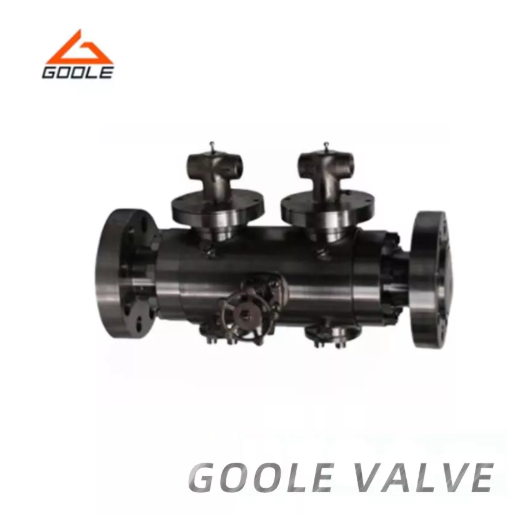
Double Block and Bleed (DBB) valves play a vital role across various industries, especially where safety, reliability, and efficiency are non-negotiable. Their design and functionality offer tailored advantages in demanding environments such as petroleum, natural gas, petrochemical, and high-pressure or high-temperature services.
In the petroleum and gas sector, DBB valves ensure secure isolation during maintenance or emergency shutdowns. These valves prevent leaks of hazardous fluids or gases, protecting workers and the environment. Their compact design reduces space on offshore platforms or refineries, where every inch counts. Using DBB valves simplifies piping layouts, cutting down installation time and costs. They also help meet stringent safety and environmental regulations by minimizing fugitive emissions.
For example, in upstream oil extraction, DBB valves isolate sections of pipelines carrying crude oil, allowing safe inspection or repair without halting entire operations. Downstream, they protect sensitive instruments and control points from contamination or pressure surges.
Natural gas processing plants and petrochemical facilities rely heavily on DBB valves to maintain system integrity. These valves provide double isolation for critical instruments, sample points, and injection lines, ensuring no cross-contamination or leakage occurs. DBB valves’ ability to handle corrosive or toxic substances makes them ideal for these industries.
In petrochemical processes, where chemical reactions occur under controlled conditions, DBB valves ensure safe isolation of reactors and pipelines. This isolation prevents hazardous leaks during maintenance and supports accurate monitoring and control. Their modular design also allows integration into complex skid-mounted systems, saving space and simplifying maintenance.
DBB valves excel in high-pressure and high-temperature environments common in power plants, refineries, and chemical processing units. Their robust construction withstands extreme conditions, maintaining tight seals even under fluctuating pressures and temperatures.
For instance, in steam lines or high-pressure gas pipelines, DBB valves provide reliable double isolation, preventing dangerous leaks that could lead to accidents or equipment damage. Their bleed function allows safe depressurization, protecting maintenance teams.
Materials used in DBB valves for these services are carefully selected to resist thermal expansion, corrosion, and wear. Many valves come with certifications verifying their suitability for such demanding conditions, ensuring compliance with industry standards.
Double Block and Bleed (DBB) valves play a crucial role in maintaining safety across various industrial processes. Their design ensures not only effective isolation but also protection against contamination, hazardous conditions, and regulatory non-compliance.
One of the foremost safety benefits of DBB valves is preventing product contamination. By providing double isolation, these valves stop any fluid or gas from leaking into or out of the isolated section. The bleed valve releases any trapped pressure or fluid between the two block valves, confirming that the space is clear before maintenance or sampling. This is vital in industries like petrochemical or natural gas processing, where even minor contamination can compromise product quality or cause dangerous chemical reactions.
For example, when isolating a section for sampling or injection, DBB valves ensure the sample remains pure and the process fluid stays uncontaminated. This double barrier prevents cross-contamination between different fluids or process lines.
DBB valves provide secure equipment isolation, especially in hazardous environments. Their double block design guarantees that no fluid or gas passes through, even under high pressure or temperature. The bleed valve allows safe depressurization of the cavity between the blocks, protecting maintenance personnel from unexpected releases.
In cases where the fluid is flammable, toxic, or corrosive, DBB valves are essential for safe isolation. They prevent leaks that could lead to fires, explosions, or health hazards. This makes them indispensable in oil and gas platforms, chemical plants, and refineries.
Selecting the right Double Block and Bleed (DBB) valve is crucial to ensure optimal performance, safety, and cost-effectiveness in your industrial system. Several factors influence this choice, including operational requirements, certification, customization options, and material quality.
Operating Pressure and Temperature: Ensure the valve can handle your system’s maximum pressure and temperature. DBB valves come in various pressure ratings, so match the valve’s specifications to your application to avoid failures.
Valve Size and Type: Choose a valve size that fits your pipeline dimensions and flow requirements. The valve type (ball, gate, or plug) should suit the fluid characteristics and operational needs.
Leak Tightness and Reliability: Look for valves designed for zero leakage and long-term reliability. Features like precision-machined seats and robust sealing materials enhance leak tightness.
Space and Weight Constraints: Compact, lightweight DBB valves simplify installation and reduce structural support needs. This is especially important for offshore or skid-mounted applications.
Maintenance and Accessibility: Consider valves that allow easy access for inspection and servicing without dismantling the entire system.
Every industrial environment has unique demands. Customizing DBB valves to fit specific process conditions improves safety and efficiency. Customization options include:
Material Selection: Choose materials resistant to corrosion, high temperature, or abrasive fluids. Common materials include stainless steel, carbon steel, and exotic alloys.
End Connections: Flanged, threaded, or welded ends can be selected based on pipeline design.
Special Coatings or Treatments: For enhanced durability or chemical resistance.
Actuation Options: Manual, pneumatic, or electric actuators depending on automation needs.
Double Block and Bleed (DBB) valves offer numerous advantages, including leak tightness, space savings, and cost efficiency. They ensure safe isolation, meeting stringent safety standards in industries like oil and gas. As innovations continue, DBB valves are expected to become even more efficient and reliable. Goole Valve Technology Co., Ltd. provides high-quality DBB valves that deliver exceptional value, ensuring safety and operational efficiency in demanding environments. Their products are tailored to meet specific industry needs, enhancing system performance and reliability.
A: A DBB Ball Valve is a type of valve that provides double isolation and a bleed function, combining two block valves and a bleed valve in a single unit for secure flow stoppage.
A: A DBB Ball Valve works by blocking flow with two valves and using a bleed valve to safely release any trapped pressure or fluid between them.
A: DBB Ball Valves ensure leak tightness, enhance safety, reduce space and weight, and comply with industry standards, making them ideal for hazardous environments.
A: Benefits of a DBB Ball Valve include compact design, cost efficiency, reduced installation charges, and improved system safety and reliability.
A: A DBB Ball Valve integrates three functions in one unit, saving space, reducing weight, and minimizing leakage paths compared to using separate valves.


