
Views: 0 Author: Site Editor Publish Time: 2026-03-20 Origin: Site


Looking for reliable control in high-pressure systems? A trunnion ball valve could be your solution. Unlike traditional valves, it features a fixed ball, supported at both ends for stability under extreme pressure. In this article, we will explore the unique design of the trunnion ball valve, its key advantages, and its vital role in industries like oil and gas, petrochemicals, and power generation. You’ll gain insights into how these valves operate and why they are indispensable in large-scale, high-pressure applications.
The unique design of trunnion ball valves makes them stand out from traditional floating ball valves. By fixing the ball at both the top and bottom with trunnions (shafts), the valve prevents any axial or radial movement, stabilizing the ball under high-pressure conditions. This setup significantly reduces wear and tear, offering reliable sealing with less torque and eliminating the need for larger actuators. Trunnion ball valves are particularly ideal for large-scale applications where pressure and valve size are critical factors.
| Feature | Trunnion Ball Valve | Floating Ball Valve | Technical Specifications | Considerations |
|---|---|---|---|---|
| Ball Support | Fixed by trunnions (top & bottom) | Floating, supported by seats | Ball Stability: High | Trunnions prevent axial/radial movement for stability |
| Pressure Handling | Suitable for high-pressure, large-diameter systems | Limited to medium pressures, smaller sizes | Pressure Rating: Up to 450 bar | Ideal for high-pressure applications like oil and gas |
| Sealing Mechanism | Seats move toward fixed ball for sealing | Ball presses against downstream seat for sealing | Seat Material: PTFE, Reinforced Polymers | Trunnion design ensures better sealing, less wear |
| Operating Torque | Low and stable, easy to operate | Increases with pressure, high torque needed | Operating Torque: Low to Moderate | Low torque reduces actuator size and energy consumption |
| Actuator Size | Smaller actuators can be used | Larger actuators required due to higher torque | Actuator Size: Smaller in trunnion valves | Smaller actuators save cost and energy |
| Durability | High durability due to reduced seat wear | Higher seat wear under pressure | Service Life: Long | Ideal for long-term, high-demand applications |
Trunnion ball valves operate on a simple quarter-turn principle, meaning the valve opens or closes with a 90-degree turn. The fixed ball ensures that the valve's sealing mechanism remains intact, even as the pressure fluctuates in the pipeline. The seats, typically spring-loaded, press against the ball to form a tight seal, regardless of the fluid pressure.
In the fully open position, the valve allows fluid or gas to flow freely through the valve's bore. When the valve is closed, the solid part of the ball blocks the flow, ensuring no media escapes. This design prevents any axial shifting of the ball, maintaining the seal's integrity and reducing operational stress.
The trunnions in a trunnion ball valve play a crucial role in stabilizing the ball. These mechanical supports absorb pressure from the flowing media, preventing the ball from moving under the load. This setup minimizes seat wear and lowers the operating torque required to open or close the valve.
By keeping the ball aligned and preventing shifting, the trunnion design ensures that the valve operates reliably over a long period, even under challenging conditions such as high pressure or extreme temperatures. The trunnions' ability to absorb the pressure load is essential in high-duty applications like oil and gas pipelines.
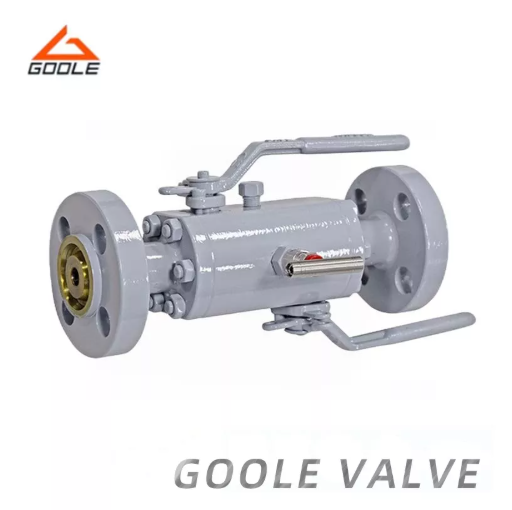
One of the primary benefits of trunnion ball valves is their ability to handle high-pressure applications. The fixed ball design, coupled with trunnion support, allows these valves to maintain stability and integrity even in the most demanding environments. The absence of axial movement means the valve can withstand higher pressures without compromising sealing performance.
These valves are commonly used in industries such as oil and gas, where pressurized pipelines carry flammable or hazardous substances. The high-pressure rating of trunnion ball valves ensures that they remain functional and reliable under these extreme conditions.
Trunnion ball valves require less torque to operate compared to traditional floating ball valves. This is due to the way the pressure load is absorbed by the trunnions rather than the seats. As a result, the valve operates smoothly and efficiently, even in larger sizes or high-pressure applications.
The reduced torque requirement also means that smaller, more cost-effective actuators can be used to control the valve, making automation and remote operation easier and more economical. This efficiency contributes to lower operational costs over the valve’s lifespan.
Trunnion ball valves are designed for durability, with reduced wear on the internal components. The ball’s fixed position and the pressure-absorbing trunnions prevent the valve seats from experiencing excessive stress. This reduces the wear and tear that typically occurs in floating ball valves, which rely on the ball shifting under pressure to form a seal.
As a result, trunnion ball valves have a longer service life, requiring less frequent maintenance and reducing downtime in critical applications.
In a floating ball valve, the ball is supported only by the stem and seats. When the valve is closed, the line pressure pushes the ball downstream against the seat, forming a seal. However, this design can result in increased friction and wear as the ball shifts under pressure.
On the other hand, the ball in a trunnion ball valve is fixed, and sealing occurs as the seats move toward the ball, rather than relying on the ball’s movement. This fixed design ensures that the sealing mechanism is more stable and reliable, even under high-pressure conditions.
Trunnion ball valves are designed to handle higher pressures and larger pipe sizes than floating ball valves. The fixed ball design and trunnion support allow them to manage high-pressure environments without experiencing the torque increase seen in floating ball valves. These valves are ideal for large-diameter pipelines, such as those used in the oil and gas industry, where size and pressure are significant considerations.
Floating ball valves, in contrast, are better suited for smaller sizes and lower-pressure systems due to their reliance on the ball shifting under pressure, which increases the torque and wear as the pressure rises.
The operating torque for a trunnion ball valve remains relatively constant, even as pressure increases, making them easier to operate and more cost-effective to automate. The lower torque requirement also means that smaller actuators can be used, reducing initial and ongoing energy consumption.
In comparison, floating ball valves experience higher torque as pressure increases, which can make them less efficient, especially in larger sizes. This increases the cost of actuators and can lead to more frequent maintenance and higher operating costs.
In the oil and gas industry, trunnion ball valves play a critical role in ensuring safe and reliable flow control, particularly in high-pressure transmission pipelines. These valves provide secure isolation and tight shutoff, even in challenging conditions such as deepwater drilling and high-temperature systems. Their ability to handle high pressure, maintain stable sealing, and reduce operating torque makes them indispensable in various oil and gas applications, including refineries and LNG facilities where flammable and hazardous substances need to be carefully controlled.
| Application Area | Use Case | Technical Specifications | Key Features | Considerations |
|---|---|---|---|---|
| High-Pressure Pipelines | Transmission of oil, gas, and other fluids over long distances | Pressure Rating: 3000 psi; Temperature: -50°C to +250°C | Secure Isolation: Maintains tight shutoff even under high pressure | Ensure valve size and pressure rating match pipeline specifications |
| Deepwater Drilling | Offshore drilling and production systems | Pressure Rating: Up to 5000 psi; Deepwater Service | Ball Stability: Fixed by trunnions, preventing axial/radial movement | Regular inspection is critical to prevent corrosion from saltwater |
| Oil Refineries | Controlling flow of crude oil, gas, and chemicals | Pressure Rating: 1500-2500 psi; Temperature: High (up to 300°C) | Durable Seals: Ideal for high-temperature and corrosive environments | Valve material selection should resist abrasion and chemicals |
| LNG Facilities | Regulating liquefied natural gas flow | Cryogenic Service: -196°C to -100°C; Pressure: 1000-3000 psi | High Efficiency: Low operating torque and small actuators | Special design for low-temperature operations, ensuring reliable sealing |
| Hazardous Substance Control | Safe handling of hazardous liquids and gases | Pressure Rating: 2500 psi; Temperature: 100-200°C | Sealing Capability: Reliable sealing at high and fluctuating pressures | Compliance with safety standards like API 6D and fire-safe design required |
In petrochemical plants, trunnion ball valves handle volatile chemicals, acids, and corrosive fluids under high pressure and temperature conditions. The fixed-ball design ensures reliable sealing, preventing leaks in critical processing systems. Trunnion ball valves are also used in chemical production, where precise flow control is necessary to maintain safety and efficiency. Their durability and resistance to wear make them suitable for these harsh environments.
Trunnion ball valves are essential in power generation plants, where they are used in high-temperature steam systems, cooling water circuits, and auxiliary processes. Their ability to operate under high pressure and maintain reliable sealing in extreme conditions ensures the smooth operation of power generation facilities.
In water treatment plants, these valves are used to control the flow of water, wastewater, and chemicals used in the treatment process. The long service life and low maintenance needs of trunnion ball valves make them a cost-effective solution for these critical applications.
When choosing a trunnion ball valve, it’s important to consider factors such as pressure class, valve size, and material compatibility. The pressure rating must match the maximum operating pressure of the system to ensure reliable performance. For large-scale applications, such as those in the oil and gas industry, selecting a valve with a high-pressure rating and a suitable actuator size is critical to ensuring the valve operates efficiently and safely.
Trunnion ball valves are typically made from high-quality materials like steel, stainless steel, and PTFE for the seats. The material selection should be based on the fluid being transported, the temperature, and the pressure of the system. For corrosive environments, materials like duplex stainless steel or corrosion-resistant alloys are often used. Ensuring material compatibility with the process medium will help extend the valve's life and prevent premature failure.
Trunnion ball valves must meet various industry standards, such as API, ASME, and ISO, to ensure they perform safely and reliably. Fire-safe design considerations and certification are particularly important for valves used in high-risk applications like oil and gas. Ensure that the selected valve meets all necessary certifications and safety standards, which will help ensure its performance and long-term reliability in demanding environments.
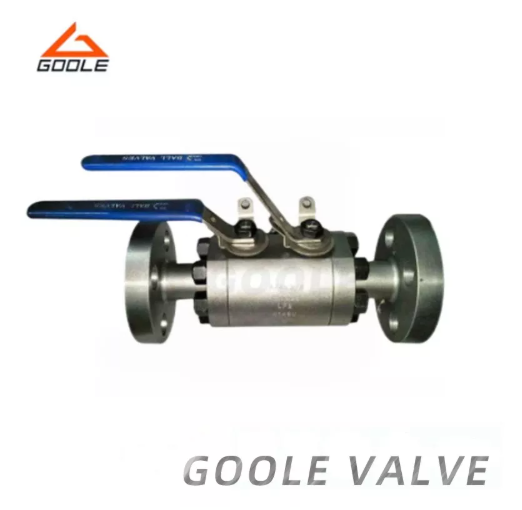
Proper installation of trunnion ball valves begins with aligning the valve to the pipeline. Misaligned pipes can lead to stress on the valve body, which can affect sealing performance and cause leaks.
Before commissioning, the pipeline should be flushed to remove debris such as welding slag or sand, which could damage the valve's sealing surfaces. It’s important to ensure that the valve is installed in the correct orientation, especially when using features like drain or vent ports.
Routine maintenance for trunnion ball valves should include not only monitoring the valve’s performance and checking for unusual torque increases but also assessing the valve’s internal components like bearings and seals for any signs of wear or degradation. It’s essential to measure torque during regular inspections and track changes over time, as consistent increases may indicate friction buildup or seal damage. Additionally, lubricating bearings and inspecting valve body integrity, including welds, can prevent operational issues and prolong the valve’s life. Advanced diagnostic tools, like ultrasonic testing, can also be used to detect early-stage wear and avoid costly repairs.
Regular maintenance ensures the reliability and efficiency of trunnion ball valves over extended periods of use. Scheduled shutdowns for seat and seal inspections or replacements can extend the valve's lifespan and prevent unexpected failures. Trunnion ball valves, especially those with maintenance-friendly body designs, can be efficiently serviced during planned downtime, reducing system downtime and ensuring safety.
| Maintenance Task | Application Area | Technical Specifications | Considerations | Maintenance Interval |
|---|---|---|---|---|
| Seat Inspection/Replacement | Oil & Gas, Petrochemical, Power Plants | Pressure Rating: 25-450 bar; Operating Temperature: -196°C to +250°C | Ensure no scratches, cracks, or damage on sealing surfaces for effective sealing. | Annually or after long periods of inactivity |
| Seal Inspection/Replacement | Water Treatment, Cooling Systems, Pipeline Transmission | Materials: PTFE, Reinforced Polymers | Replace seals if wear or leaks are detected. Choose the appropriate material to prevent leaks. | Every two years or when pressure increases |
| Lubrication of Bearings | High-temperature environments (Petrochemical, Power Plants) | Rotation Angle: 90°; Operating Torque: as low as 50 N.m | Check the lubrication level regularly. Ensure no grease accumulation impairs movement. | Quarterly or after long operating periods |
| Valve Body Leakage Testing | Oil & Gas, Nuclear Power, Natural Gas Distribution | Pressure: Up to 3000 psi; Fluid: Natural Gas, Oil | Use gas or liquid pressure testing equipment to check for leaks in the valve body. | Every six months |
| Bleed Function Testing | Chemical Processing, Refueling Stations, Liquid Transport Systems | Bleed Pressure: Max 1.33 times design pressure | Ensure the valve’s bleed function is intact to avoid pressure buildup in the cavity. | Test annually, especially the sealing components |
Tip:When performing regular maintenance on trunnion ball valves, always use seals and lubricants that are compatible with the valve's original design. Avoid using low-quality or incompatible substitutes, as this can reduce long-term valve performance and sealing efficiency.
Trunnion ball valves are crucial in high-pressure, large-diameter applications, offering superior sealing, low operating torque, and enhanced durability. Their fixed-ball design is ideal for industries like oil, gas, petrochemicals, and power generation, where reliability is key. When selecting these valves, it's important to consider pressure ratings, material compatibility, and industry standards. Proper installation and routine maintenance ensure these valves deliver efficient, reliable performance over the long term. Goole Valve Technology Co., Ltd. offers high-quality trunnion ball valves that provide exceptional performance, helping businesses achieve safer and more efficient operations.
A: A Trunnion Ball Valve is a quarter-turn valve with a fixed ball, supported by trunnions at the top and bottom. This design ensures stability under high pressure and provides superior sealing.
A: A Trunnion Ball Valve operates by rotating the ball 90 degrees to control the flow of liquids or gases. The fixed ball design prevents axial or radial movement, ensuring a tight seal.
A: The fixed ball design and trunnion support allow the valve to handle higher pressures without compromising sealing performance, making it ideal for demanding applications in oil, gas, and petrochemical industries.
A: Trunnion Ball Valves offer reduced operating torque, better stability, and longer service life due to their fixed ball design, making them more suitable for large-scale, high-pressure applications.
A: Trunnion Ball Valves are commonly used in high-pressure applications such as oil and gas pipelines, petrochemical plants, LNG facilities, and power generation systems, where reliability is essential.
A: Routine maintenance for a Trunnion Ball Valve involves inspecting seals, checking for unusual torque, and performing periodic seat and seal replacements to ensure long-term performance and reliability.
A: The cost of a Trunnion Ball Valve varies depending on factors like size, pressure rating, and material. For accurate pricing, it's important to contact manufacturers like Goole Valve Technology Co., Ltd. for customized quotes.


