
Views: 0 Author: Site Editor Publish Time: 2026-02-05 Origin: Site


Ever wondered why a valve can seal tighter as pressure rises? A Floating Ball Valve uses a simple 90-degree turn to open or block flow, yet the real magic happens at shutoff. The ball is not fixed at both ends, so it can shift slightly in the flow direction. When the valve closes, upstream pressure pushes the ball into the downstream seat, creating a pressure-assisted seal. In this guide, we explain the moving parts, bore alignment, and sealing action in clear, practical steps.
A floating ball valve works through a 90-degree turn. We rotate the stem, and it rotates the ball. When the bore aligns, flow passes straight through. When the bore turns sideways, it blocks the line. This quarter-turn action feels quick because it is. It also reduces operator time during isolation. In automated service, an actuator repeats the same 90-degree move. The core idea stays identical: rotate the ball, then either open the path or stop it.
Engineers often understand a floating ball valve fastest by mapping bore alignment to real operating states. The table below breaks the mechanism into geometry, flow path, sealing behavior, measurable parameters, and field checks, so you can use it for specification, commissioning, and troubleshooting without guessing values.
| Dimension | Open Position (Bore Alignd) | Closed Position (Bore Perpendicular) | Technical indicators (facts only) | Applications & engineering notes |
|---|---|---|---|---|
| Bore orientation | Bore axis in line with pipeline axis | Bore axis at right angle to pipeline axis | Quarter-turn travel: 0° (open) ↔ 90° (closed) | Confirm actuator/handle travel hits true 0° and 90° to avoid partial-port exposure. |
| Flow path | Media flows through the ball bore | Flow path is blocked by solid ball wall | Ball valve operation is quarter-turn by design | Best for on/off isolation where fast operation matters more than throttling. |
| “Full-port” vs “reduced-port” effect | Full-port: flow area close to pipe ID; reduced-port: smaller internal bore | Not applicable (no flow) | Common industry definitions: full-bore approximates pipe ID; reduced-bore is smaller (exact ratios vary by manufacturer) | If low pressure drop and pigging are priorities, specify full-port explicitly on the datasheet. |
| Main sealing interface | Seats guide the ball with light contact during flow | Upstream pressure pushes ball into downstream seat for sealing | Floating design: ball is supported by two seats and connected to the stem, allowing slight downstream shift under pressure | Pressure-assisted seating is why floating designs achieve tight shutoff in typical low–medium pressure services. |
| Flow direction handling | Bore alignment works for either direction | Ball can seal from either direction depending on pressure side (design-dependent) | Many floating ball valves are described as capable of bi-directional sealing (verify per valve model and seat design) | For systems with possible backpressure, require bi-directional shutoff in purchase specs. |
| Position indication | Handle typically parallel to pipe when open (common practice) | Handle typically perpendicular to pipe when closed (common practice) | Practice varies by manufacturer and handle style | For critical isolation, use lockable handles, position indicators, or limit switches on actuated valves. |
| What to verify during commissioning | Smooth 90° rotation; no binding; correct alignment | Confirm shutoff at rated test pressure; check downstream pressure decay | Test methods and acceptance depend on applicable standards (e.g., API/ISO/ASME), selected by project | Use the project’s required test standard and document leakage acceptance criteria in QA records. |
| Typical B2B spec fields tied to bore alignment | Port type (full/reduced), end connections, ISO 5211 mounting (if actuated) | Seat material, fire-safe option, anti-static option (as required) | These are commonly specified valve attributes; exact values depend on service and standards | Bore alignment is simple; selection errors usually come from missing spec fields, not the mechanism. |
Pressure matters because it shapes sealing force. In a floating ball valve, the ball is not pinned at both ends. It can shift a small distance along the flow axis. When the valve closes, upstream pressure pushes the ball downstream. This load presses the ball into the downstream seat. The seal strengthens as pressure rises. We often call this “pressure-assisted sealing.” It is a key reason this design is widely used for process isolation. It also explains why seat material and fit are critical.
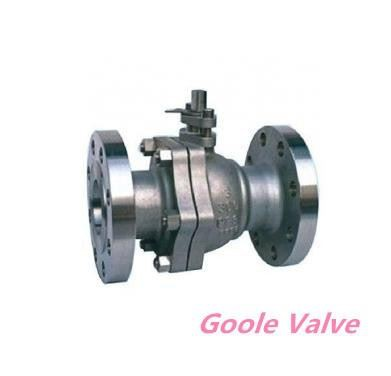
The word “floating” describes ball support, not buoyancy. The ball is held between two seats, and it connects to the stem on top. There is no bottom trunnion holding it rigid. This gives the ball a controlled freedom to move slightly. That micro-shift is not sloppy. It is engineered clearance. It lets the ball self-seat under load. It also helps the valve handle flow reversals in many services. In practice, the “float” is small, yet it is vital.
When the valve closes, pressure pushes on the upstream side of the ball. The force drives the ball toward the downstream seat ring. The downstream seat becomes the main sealing surface. The ball face and seat lip compress together and block leakage paths. This is why a floating ball valve can achieve tight shutoff using a simple structure. It also explains why seat integrity matters so much. A good seat profile keeps contact uniform. Uniform contact keeps shutoff stable across cycles.
Many floating ball valve designs can seal in both directions. They do it by allowing the ball to shift toward whichever side becomes “downstream” for the current pressure direction. If flow reverses, the pressure direction changes. The ball then seats against the other side. This behavior supports isolation in systems where pressure can come from either end. It is helpful in process skids and plant tie-ins. It is also common in utility networks. Still, you should verify seat design and ratings for your specific valve model.
The ball is the control element, and its surface finish matters. A smooth ball reduces friction at the seats. It also helps maintain consistent sealing contact. The bore can be full-port or reduced-port. Full-port keeps flow area close to pipe ID. Reduced-port can lower cost and size. For B2B buyers, the key is repeatable machining and stable coatings. Many balls use stainless steel and may use plating for wear resistance. The bore edges should be clean to avoid cutting soft seats during cycling.
Seats are the heart of sealing in a floating ball valve. Two rings cradle the ball and form the seal. Soft seats, often PTFE-based, provide low friction and tight shutoff. They conform to the ball surface under load. They also help the ball “float” in a controlled way. Seat geometry determines contact width and sealing pressure. A good design balances low torque and tight shutoff. In procurement, ask for seat material grade and temperature class. Seat selection should match media, pressure, and cleaning needs.
The stem transmits torque from handle or actuator to the ball. It must resist bending and corrosion. It also passes through the body, so it needs a sealing system. Packing and stem seals prevent external leakage around the stem. In industrial service, packing materials may include PTFE or graphite blends. The stem design also affects safety features, like blowout resistance, depending on the valve family. For maintenance teams, stem sealing is a key inspection point. For design teams, stem-to-ball fit affects backlash and smooth operation.
In the open position, the ball bore aligns to the pipeline. Media flows through the bore and exits the outlet. The seat rings still touch the ball, but contact load stays moderate. The flow path is direct, which helps reduce unwanted turbulence. Operators can confirm the open state by handle orientation on many manual valves. In automated service, position indicators or limit switches confirm it. During normal operation, the stem holds the ball angle steady. This stability is important for repeatable isolation cycles in plant operations.
During rotation, the ball sweeps across the seat edges. This is where smooth surfaces and correct clearances matter. As we turn the stem 90 degrees, the bore starts to close off the port. The ball face begins contacting the seat’s sealing lip more strongly. In a floating ball valve, the ball can also start to shift under changing pressure forces. That shift is small, yet it helps the ball find the best sealing position. A well-sized actuator provides steady torque, avoiding jerky movement that can stress sealing surfaces.
In the closed position, the solid ball surface blocks the flow path. Upstream pressure loads the ball and pushes it downstream. The downstream seat takes the sealing load and forms the primary barrier. This creates the pressure-assisted seal used in many industrial isolation duties. The result is fast shutoff and strong sealing behavior. In process plants, teams often rely on this shutoff for equipment isolation during maintenance. Proper valve sizing and correct end connections support stable closure. The valve’s internal sealing action stays the same across industries.
| Valve Position | Ball Angle | Flow Path | Main Sealing Action |
|---|---|---|---|
| Open | 0° | Bore aligned | Seats guide the ball |
| Turning | 0–90° | Partially blocked | Contact increases as bore moves |
| Closed | 90° | Fully blocked | Pressure pushes ball into downstream seat |
PTFE seats are common in a floating ball valve because they seal well and turn smoothly. PTFE has low friction, so it reduces operating torque. It also conforms slightly under load, which helps close small gaps at the sealing interface. This makes shutoff reliable across many clean liquid and gas services. PTFE-based blends can improve wear performance and temperature capability, depending on grade. For B2B spec work, you should confirm the exact seat compound, not just “PTFE.” Different grades behave differently in chemicals and thermal cycling.
Elastomer seats and seals help match the valve to specific media. Options can include EPDM or FKM-type materials, depending on supplier. These materials can provide strong sealing feel and good resilience. They also support services where a softer sealing surface is beneficial. In selection, compatibility comes first. Media, temperature, and cleaning method should guide the elastomer choice. In regulated industries, buyers may request documented material compliance. For example, certain applications need food-contact materials (needs verification). Always align seat material to your process fluid and cleaning plan.
Seat material affects torque, seal contact, and long-term consistency. Softer seats can seal tightly at lower loads. They can also reduce friction during cycling, which helps automation sizing. More rigid polymers can handle higher temperatures and aggressive media, depending on formulation. The key is to match the seat to operating conditions. In a floating ball valve, pressure energizes the seal, so the seat must maintain shape under load. Buyers should request pressure-temperature ratings and cycle test data when available (needs verification). This data supports confident selection for critical isolation points.
A one-piece body design integrates the body into a single shell. The internal mechanism still follows the same floating principle. The ball rotates 90 degrees, and pressure pushes it into the downstream seat. Many buyers like this design for compact installs and straightforward piping. It can reduce potential body joint leak paths. In many general services, it offers a clean footprint and simple handling. When you build a BOM for a skid, one-piece valves can reduce part variety. Still, always confirm end connection type and maintenance expectations for your plant.
A two-piece body splits the body into two main sections. The ball, seats, and stem sit inside, and assembly secures them. The working principle remains unchanged: quarter-turn rotation plus pressure-assisted sealing. This format is common in industrial piping because it supports a wide range of sizes and connections. It often fits standard procurement patterns and spares strategy. Many two-piece designs support robust end connections, including threaded or flanged options. For engineering teams, the two-piece format can simplify sourcing across different pressure classes while keeping the core floating mechanism consistent.
A three-piece body uses a center section and two end caps. The internal parts sit in the center section, and the ends connect to piping. The floating ball valve action stays the same: rotate the ball, then pressure assists sealing. The practical advantage is service access. Many three-piece valves allow disassembly while the end connections stay in place, depending on design. This is valuable in plants where downtime costs are high. Cleaning and seat replacement can be faster. In sanitary or chemical lines, this service-friendly layout supports better lifecycle planning and spares management.
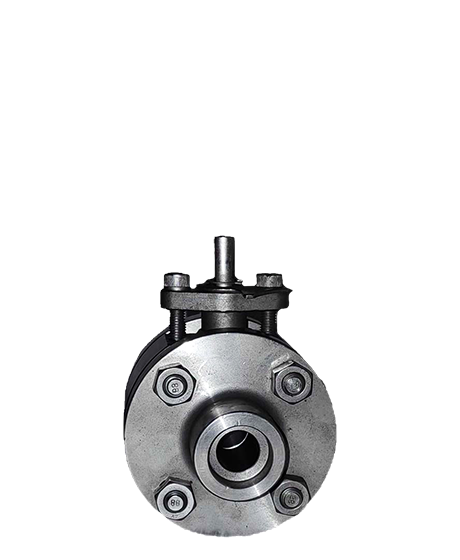
The floating ball valve mechanism fits many liquid duties because it offers quick isolation and tight shutoff. Water distribution, process water, and many hydrocarbon liquids use this style. The direct bore flow path helps keep pressure drop reasonable in open state. The pressure-assisted seal supports reliable closure during isolation. In skids and packaged systems, this valve simplifies operator training because it uses a clear quarter-turn action. When you design piping layouts, use it at points where you need fast block valves. It also fits utility manifolds where space and speed both matter.
Gas service often values quick shutoff and clear open/closed indication. A floating ball valve provides both through quarter-turn operation and strong seat sealing. The pressure-assisted seal helps reduce leakage paths in shutoff duty. In commercial HVAC gas lines and industrial fuel trains, teams often want predictable isolation behavior. Automation also benefits because actuators can cycle quickly. For B2B buyers, specify body and seat materials based on gas composition and temperature. Also confirm external leakage requirements if your site tracks emissions (needs verification). These checks support safe and repeatable gas isolation programs.
Floating ball valves appear in many sectors because the mechanism is simple and scalable. You see them in oil and gas facilities, water treatment plants, chemical processing, and building services. The key benefit is consistent on/off control using a compact valve package. The “floating” seal behavior also supports tight shutoff without complex support structures. For procurement, standardization is a big win. You can often use similar valve families across multiple systems. For operations, the quarter-turn action reduces response time during routine isolation. This blend of simplicity and performance keeps the design widely adopted.
A Floating Ball Valve works through a simple cycle: we rotate the ball 90 degrees, and line pressure helps it seal. The ball can shift slightly, so it presses into the downstream seat for tight shutoff. This mechanism supports fast on/off control and dependable isolation across many pipeline services. Goole Valve technology Co., Ltd. provides Floating Ball Valve products designed for stable bore alignment and reliable seat sealing, helping B2B users improve uptime, simplify valve selection, and standardize parts across projects with consistent service support.
A: A Floating Ball Valve turns 90°, and pressure pushes the ball into the downstream seat to seal.
A: In a Floating Ball Valve, upstream pressure drives the ball against the downstream seat for pressure-assisted sealing.
A: In a Floating Ball Valve, the bore aligns with ports to open, and turns sideways to block flow.
A: A Floating Ball Valve lets the ball shift to seal, while trunnion designs support the ball with trunnions.
A: In a Floating Ball Valve, higher pressure increases seat load, so torque can rise during closing.
A: Floating Ball Valve cost depends on size, pressure class, body style, and seat material choice.


