
Views: 0 Author: Site Editor Publish Time: 2025-11-13 Origin: Site


In modern industrial processes, controlling the flow of fluids—whether it be gases, liquids, or slurries—is essential for maintaining system efficiency, safety, and performance. Valves play a crucial role in regulating, directing, and isolating fluid flow within a system. Among the various types of valves, the four-way ball valve stands out as a versatile and widely used solution in many industrial applications.
This article will explore the functionality, applications, advantages, and key considerations for selecting and using four-way ball valves in industrial settings. Whether you're involved in fluid handling, process control, or system design, understanding how four-way ball valves operate can help optimize your operations.
A four-way ball valve is a type of valve that uses a spherical ball with four ports to control the flow of fluids. Unlike conventional ball valves, which have two ports for directing fluid in or out of a pipe, a four-way ball valve has four ports, enabling it to direct fluid flow in multiple directions.
The valve consists of a ball with a hole (or port) that aligns with the valve body’s ports. When the ball is rotated within the valve body, the hole in the ball aligns with different ports, thereby allowing fluid to flow between the ports in various configurations. The four-way ball valve can direct flow to two or more outlets, switch flow between two inlets, or reverse the flow direction.
The basic principle of operation of a four-way ball valve is quite similar to that of a two-way ball valve, with the key difference being the additional ports. A four-way ball valve typically has:
Four Ports: These include an inlet port and outlet ports for the fluid to flow through, allowing for more complex flow patterns.
Rotating Ball Mechanism: The ball inside the valve is mounted on a stem that allows it to rotate. The ball has four ports or channels, and as it rotates, it directs the flow from one port to another.
Seal: The ball is designed to seal tightly against the valve body when it's closed, preventing leaks and ensuring that the system remains pressurized.
A common configuration for a four-way ball valve is a "L" or "T" shape, where fluid can be directed from one inlet port to two outlet ports or from one inlet port to another inlet port, depending on the valve’s position.
Four-way ball valves are used in a variety of industries where fluid flow needs to be directed, redirected, or switched between multiple outlets. Some of the most common applications include:
In pneumatic and hydraulic systems, four-way ball valves are often used to control the direction of air or hydraulic fluid flow. For example, in pneumatic actuators or hydraulic cylinders, four-way ball valves can change the direction of pressure to extend or retract the cylinder, which is essential for machinery movement.
In process control applications, four-way ball valves are used to direct flow in chemical, food, or pharmaceutical processes. For example, a four-way valve can be used to divert flow between different pipes in a processing plant, which allows the system to switch between different flow paths or tanks without interrupting the process.
In HVAC (Heating, Ventilation, and Air Conditioning) systems, four-way ball valves are used to manage the flow of coolant or heating fluids. These valves are critical in directing fluid to different parts of the system, controlling temperature, and ensuring the system works efficiently.
Four-way ball valves are used in water treatment facilities to control the flow of water between different chambers or treatment tanks. The ability to switch between different flow paths is vital for managing the different stages of water treatment, from filtration to chemical treatment and disinfection.
In diversion or bypass systems, four-way ball valves are used to switch between the primary flow path and an alternative one. For example, in a pipeline that transports fluids from one location to another, a four-way valve can be used to divert the flow to a different route for maintenance or repair purposes.
In the oil and gas industry, four-way ball valves are used to control the flow of crude oil, natural gas, or other chemicals in pipelines. These valves can be used to direct flow to different pumps, separators, or processing units, enhancing system flexibility and operational efficiency.
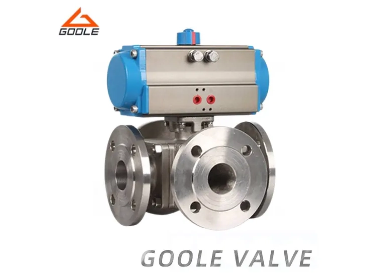
One of the primary benefits of four-way ball valves is their versatility. Unlike standard two-way valves, which only control fluid flow in one direction, four-way valves can handle multiple flow paths, making them an ideal choice for complex fluid handling systems. Their ability to change the direction of fluid flow or switch between different outlets allows them to serve multiple purposes, reducing the need for multiple valves.
Four-way ball valves are known for their compact and reliable design. They consist of fewer moving parts compared to other types of directional control valves, such as spool valves. This simplicity translates to enhanced reliability and ease of maintenance, which is especially important in critical systems where downtime is costly.
The ball inside a four-way valve forms a tight seal when in the closed position, preventing leaks and maintaining system pressure. This seal integrity ensures that the valve remains leak-free, even under high-pressure conditions, which is particularly beneficial in systems involving gas or pressurized fluids.
Four-way ball valves are highly durable and are capable of withstanding a wide range of temperatures, pressures, and environmental conditions. Their sturdy construction makes them suitable for demanding applications, ensuring a long service life with minimal maintenance.
While four-way ball valves may cost more than standard two-way valves initially, their ability to perform multiple functions within a single valve makes them cost-effective in the long run. By reducing the need for additional valves or piping, companies can save on installation and operational costs.
When selecting a four-way ball valve for your system, there are several factors you should consider to ensure the best fit for your application:
The material of the valve must be compatible with the type of fluid being transported. Four-way ball valves are made from a variety of materials, including stainless steel, brass, and plastics. It’s essential to choose a valve material that can withstand the chemical properties, pressure, and temperature of the fluid.
Different applications require valves that can handle specific pressures and temperatures. Ensure that the four-way ball valve you choose is rated to handle the maximum operating pressure and temperature of your system to prevent failure.
Consider the specific flow paths required for your application. Four-way ball valves come in various configurations, such as L-port or T-port. The L-port valve directs flow to two outlets in a “L” shape, while the T-port valve offers a more flexible configuration, allowing flow between three different ports. Choosing the correct flow path configuration is essential for meeting your system’s needs.
Four-way ball valves can be actuated manually, electrically, or pneumatically. Depending on your system, you should select the appropriate actuator. Manual actuation is simple and cost-effective but may not be practical for systems that require frequent valve adjustments. Automated systems benefit from electric or pneumatic actuators, which offer better control and precision.
Ensure that the valve’s sealing mechanism is capable of providing leak-free performance. A poorly sealed four-way valve can lead to leaks and loss of system pressure, which can negatively impact performance and increase maintenance costs.
The four-way ball valve is a versatile and essential component in many industrial applications. Whether in fluid control systems, HVAC, water treatment, or the oil and gas industry, these valves provide superior functionality by allowing the control and redirection of fluid flow in multiple directions. Their simplicity, durability, and cost-effectiveness make them a popular choice for applications that require reliable fluid management.
By understanding the unique benefits and considerations of four-way ball valves, industries can optimize their systems, enhance operational efficiency, and ensure safe and effective fluid control. With the continued advancement of materials, technology, and design, four-way ball valves will remain a key player in the future of industrial fluid control systems.


