
Views: 0 Author: Site Editor Publish Time: 2025-11-20 Origin: Site


Four-way ball valves are an essential component in fluid control systems, used across a wide range of industries including chemical processing, water treatment, oil and gas, and HVAC systems. These valves are designed to control the flow of liquids, gases, or slurries through multiple ports, offering versatility and precision in managing fluid distribution. The material selection for four-way ball valves is crucial, as it directly impacts the valve's durability, performance, and ability to withstand the operating conditions in which it will be used.
In this article, we will explore the key factors to consider when selecting materials for four-way ball valves. We will discuss the various materials commonly used in ball valves, their properties, and the advantages and disadvantages of each material for specific applications. By understanding material selection, manufacturers and engineers can ensure the longevity and reliability of their fluid control systems.
When choosing materials for four-way ball valves, there are several critical factors to consider. These include the type of fluid being controlled, the operating temperature and pressure, the valve’s environment, and the valve’s longevity requirements. Understanding these factors will help determine which materials are most suitable for a specific application.
One of the most important factors in material selection is corrosion resistance. Ball valves are frequently exposed to harsh chemicals, corrosive environments, and varying pH levels, which can lead to material degradation over time. In such conditions, the valve material must be able to resist corrosion and maintain its integrity.
For example, in chemical processing or offshore oil and gas applications, where the valve may come into contact with acidic or salty fluids, corrosion-resistant materials such as stainless steel, alloy steels, or titanium are often the best choice. These materials are known for their ability to withstand corrosive elements, making them ideal for these challenging environments.
Stainless Steel (316/304): Widely used in industries such as food processing, pharmaceuticals, and chemical manufacturing, stainless steel offers excellent corrosion resistance to a variety of chemicals and environmental factors.
Alloy Steel: Alloy steel materials, such as Hastelloy or Inconel, are used in extreme conditions, offering exceptional resistance to both high temperatures and corrosion.
Titanium: Titanium alloys are highly resistant to corrosion, especially in aggressive chemical environments, and are often used in highly specialized applications such as aerospace and offshore industries.
Another key consideration when selecting the material for a four-way ball valve is the valve’s operating temperature and pressure conditions. In high-temperature environments, the valve material must be able to withstand thermal expansion, thermal cycling, and temperature extremes without degrading or losing strength.
Similarly, in high-pressure systems, the material must be capable of maintaining its structural integrity without cracking or warping under stress. For these types of applications, materials that offer both high temperature and pressure resistance are needed.
Stainless Steel (304, 316): Stainless steel is highly resistant to heat and can handle high-pressure conditions, making it suitable for most standard temperature and pressure applications.
Monel: An alloy of nickel and copper, Monel offers excellent resistance to both high temperatures and high-pressure conditions, making it a popular choice for extreme industrial applications, including those in the petrochemical and marine industries.
Hastelloy: For very high-temperature and high-pressure environments, Hastelloy alloys provide superior strength and corrosion resistance. They are often used in high-temperature industrial processes and reactors.
The chemical compatibility of the valve material is another critical factor. In applications where the valve will handle aggressive or corrosive chemicals, selecting a material that is chemically resistant is vital to prevent valve failure and contamination of the fluid system.
Some chemicals, such as acids, bases, or solvents, can degrade traditional valve materials quickly, leading to leaks, system failure, or safety hazards. For these applications, specialized alloys or coatings that offer high resistance to specific chemicals should be considered.
PTFE (Polytetrafluoroethylene) Coating: Often applied as a lining or coating on valve bodies, PTFE offers excellent chemical resistance, especially in environments with aggressive chemicals or solvents.
Hastelloy and Inconel: These alloys are highly resistant to chemical corrosion and are often used in industries where the valve handles aggressive chemicals, such as in pharmaceuticals, chemicals, or petrochemicals.
Titanium: Titanium’s resistance to corrosion and its chemical inertness make it an excellent choice for applications involving reactive chemicals, including acids and alkalis.
The strength and durability of the valve material determine how long the valve will last under normal operating conditions. A material that is too soft or brittle may fail prematurely, especially in high-stress environments, while a material that is too rigid may become prone to cracking under repeated cycles of high pressure or temperature changes.
For heavy-duty applications, such as in the oil and gas industry or mining, the valve material must be able to withstand prolonged mechanical stress, including impact, vibration, and shock. The right material will offer a balance between strength, ductility, and toughness to ensure the valve’s longevity.
Stainless Steel: Stainless steel is known for its strength and durability, providing reliable performance in both low and high-pressure systems.
Alloy Steel: Alloy steels are known for their high strength and are suitable for applications that involve high-impact, high-stress conditions.
Bronze: Bronze offers good strength and durability for applications in which the valve experiences moderate mechanical stress, such as in water treatment or heating systems.
While material selection is primarily driven by performance requirements, cost is always an important consideration in any industrial application. Materials such as titanium and Hastelloy offer exceptional performance in demanding environments, but they come at a premium price.
When cost is a concern, it is essential to balance performance needs with budget constraints. Stainless steel, for example, offers an excellent balance between cost and performance, making it a popular choice for a wide range of applications. Alloy steels and brass may offer good performance for less demanding applications at a lower cost.
Stainless Steel (304, 316): Stainless steel is a versatile and cost-effective material that offers a strong balance of performance and affordability.
Brass: For less corrosive or lower-pressure environments, brass can provide a more economical solution while still offering sufficient strength and durability.
Carbon Steel: In systems where corrosion is less of a concern, carbon steel can offer strength and durability at a lower cost than stainless steel.
Depending on the complexity of the valve design, ease of machining and fabrication may also be a critical factor in material selection. Some materials, like stainless steel, are easier to machine and fabricate than others, such as high-alloy steels or titanium, which may require specialized tools and expertise.
If a four-way ball valve needs to be customized or modified to fit a specific system design, selecting a material that is easy to machine can save time and reduce fabrication costs.
Stainless Steel (304, 316): Stainless steel is relatively easy to machine and fabricate, making it ideal for custom valve designs.
Brass: Brass is also easy to machine and can be used for manufacturing smaller, less complex valves.
Carbon Steel: Carbon steel is another material that is easier to machine than high-alloy metals and may be suitable for non-corrosive or moderate-duty applications.
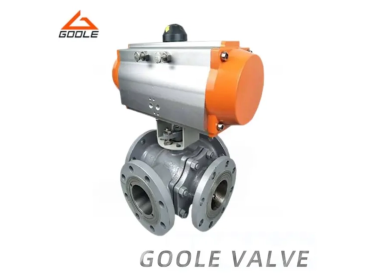
Stainless steel is the most commonly used material for four-way ball valves due to its excellent balance of strength, corrosion resistance, and affordability. Both 304 and 316 grades are popular choices, with 316 stainless steel offering enhanced corrosion resistance, especially in marine and chemical environments.
Brass is a softer and more affordable material than stainless steel, often used in applications that don’t involve highly corrosive fluids. It is commonly found in residential and light commercial applications, including water supply systems.
Titanium is used in highly specialized applications that require superior strength and corrosion resistance, particularly in extreme environments such as aerospace, marine, and chemical processing industries. Its high cost limits its use to these high-demand applications.
Alloy steels such as Hastelloy and Inconel are used in high-temperature and high-pressure environments, offering excellent mechanical properties and resistance to both extreme pressure and corrosive chemicals.
Selecting the right material for four-way ball valves is critical to ensuring their optimal performance, longevity, and reliability in industrial fluid control systems. Corrosion resistance, strength, temperature and pressure resistance, chemical compatibility, and cost are all important factors to consider when choosing materials for specific applications.
By selecting the appropriate materials based on these factors, industries can ensure that their fluid control systems function efficiently and safely. For those looking for high-quality ball valves that meet demanding performance standards, Goole Valve Technology Co., Ltd. offers expert guidance and reliable valve solutions for various industrial needs, ensuring that you get the best possible material for your system’s requirements.


