
Views: 0 Author: Site Editor Publish Time: 2026-08-03 Origin: Site


A leaking valve is not just a mere nuisance. It represents immediate system inefficiency, potential safety hazards, and compounding maintenance expenses. Whenever fluids escape a closed pipeline, you lose valuable media and risk damaging surrounding infrastructure. This issue requires fast, accurate diagnosis.
Whether dealing with a slow drip in a residential plumbing line, a PVC failure in a pool system, or a high-pressure industrial fluid leak, the repair logic follows a strict diagnostic path. You cannot guess your way to a secure fix. You must systematically isolate the system, identify the exact failure point, and apply the correct repair methodology.
This guide outlines how to accurately diagnose the source of the leak, execute standard repairs, and apply a decision framework. You will learn how to determine when a simple adjustment suffices. You will also discover when complete replacement offers the most reliable, effective solution for your pipeline.
Identify the Leak Type: Determine if the leak is external (stem/packing gland) or internal (passing fluid when fully closed).
First-Line Fix: External leaks can frequently be resolved simply by tightening the packing nut, requiring zero system downtime.
Safety First: Industrial and high-pressure repairs mandate strict Lockout/Tagout (LOTO) protocols and complete system depressurization.
Fix vs. Replace: Evaluate the cost of repair parts (handles, PTFE seats, O-rings) and labor against the long-term reliability of installing a new, application-matched ball valve.
Accurate symptom identification saves immense time and labor. Before ordering parts or shutting down main operations, you must frame the business problem correctly. A minor drip requires a different response than a full internal bypass. Identifying the exact nature of the failure prevents unnecessary system teardowns.
External leaks occur at the stem and gland area. You will notice visible moisture, dripping, or fluid pooling directly around the valve handle. Sometimes, the stem itself shows signs of corrosion. Wear and tear on the stem packing or internal O-rings serves as the primary driver here. Frequent cycling or thermal expansion degrades these soft seals over time.
Internal leaks are more deceptive. They involve passing or letting fluid through the pipeline. The system continues to flow or drip at the downstream exit point, even when you place the handle in the fully closed position. The primary drivers usually include a scratched ball, degraded PTFE or Teflon seats, or trapped debris. These issues prevent the internal components from forming a flush seal.
Your diagnostic action must be deliberate. Isolate the valve first. Clean the exterior thoroughly to track the exact moisture origin. Actuate it open and closed if the system is safe to operate. Visually confirm the exact point of failure before planning the next step.
Failure Classification | Visual Symptoms | Primary Drivers | Immediate Diagnostic Action |
|---|---|---|---|
External (Stem/Gland) | Moisture pooling near handle, visible drips on exterior. | Packing wear, frequent cycling, thermal expansion. | Clean exterior, observe packing nut during operation. |
Internal (Passing) | Downstream flow continues when fully closed. | Scratched ball, damaged PTFE seats, trapped debris. | Isolate line, open bleed port, check for continuous flow. |
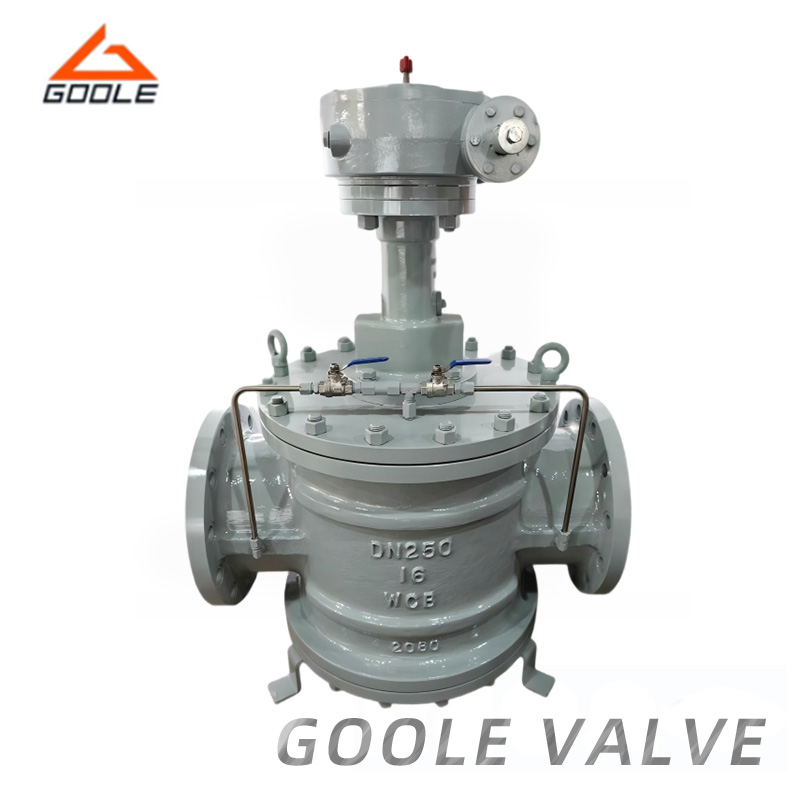
Failures do not happen without reason. Evaluating the dimensions of degradation sets up a strong preventive understanding. When you understand why a heavy-duty Ball Valve fails, you can engineer a better long-term solution.
Elastomer and Seat Wear: Soft seats naturally degrade over time. Abrasive media like sand, rust, or mineral scale act like sandpaper inside the pipeline. They score the polished metal ball and chew through the soft PTFE seats. Once the ball surface suffers a scratch, it will never seal properly against the seat again.
Improper Installation or Torque: Installation errors haunt pipelines for years. Over-tightening during installation easily warps brass or PVC valve bodies. Plumbers sometimes use oversized pipe wrenches, applying excessive torque. This distortion creates micro-leaks between the internal ball and the seating surface.
Chemical Incompatibility: Media dictates material. Using standard materials for corrosive industrial media leads to rapid internal corrosion. For example, installing a standard brass unit in a highly acidic environment guarantees failure. You must specify materials like 316 stainless steel for aggressive chemicals to maintain internal integrity.
Thermal Cycling: Extreme temperature fluctuations cause constant expansion and contraction of metal components. Over time, this natural movement loosens the packing nut holding the stem seals in place. As the nut backs off, pressurized fluid finds an escape route up the stem shaft.
Implementation requires strict evidence-oriented execution. You must balance the urge to fix the problem quickly against critical safety compliance. Rushing a repair on a pressurized line invites catastrophic accidents.
Safety always dictates the first step. Isolate the line completely. Shut off the upstream flow at the nearest primary header. Never assume a line is dead just because a pump is turned off.
Industrial constraints demand rigorous protocols. Implement OSHA-standard Lockout/Tagout (LOTO) procedures immediately. Secure padlocks on energy isolation devices. Apply visible tags detailing the ongoing maintenance. Verify the lockout by attempting to start the system.
Next, bleed and depressurize the line. Open a downstream vent or drain. Releasing stored energy prevents explosive blowouts during disassembly. Pressurized fluid can inject toxic media into your skin or launch internal components like shrapnel.
External leaks often require zero pipeline drainage. They represent the easiest and fastest maintenance task.
Remove the handle: Unbolt the top retaining nut and slide the handle off the stem. Keep the hardware secure.
Locate the packing nut: Also known as the packing gland, this nut sits directly around the base of the stem. It compresses the internal packing material against the shaft.
Adjust the torque: Use an appropriately sized wrench to tighten the nut in small increments. Move typically 1/8 to 1/4 turn at a time.
Test the actuation: Do not overtighten the nut. Excessive compression seizes the stem, making operation impossible. Turn the stem slightly to ensure smooth movement.
Verify the seal: Re-pressurize the system and observe the stem base. If moisture returns, the internal packing has degraded completely.
Internal leaks demand more invasive procedures. The internal seal has failed, meaning you must address the core components.
Flush the line first. Sometimes, you can resolve the issue without tools. Simply open and close the mechanism rapidly while under partial pressure. The turbulent flow can dislodge trapped debris, scale, or welding slag preventing a flush seal.
If flushing fails, proceed to disassembly. This applies primarily to multi-piece or union designs. Remove the center body section from the pipeline. Extract the ball and the soft seats carefully. Inspect the highly polished sphere for any dull spots, gouges, or scoring. Inspect the seats for tears or flattening.
Replace the seats and O-rings if rebuild kits are available for your specific model. Clean the internal housing before inserting the fresh components. Reassemble the body, torque the body bolts to the manufacturer specifications, and slowly re-pressurize the line.
Different environments dictate completely different repair strategies. A high-rise commercial building requires different handling than a backyard irrigation trench. Understanding these use cases demonstrates true maintenance expertise.
Residential Plumbing (Brass/Copper): Home plumbing systems heavily feature soldered or threaded brass units. Internal leaks here usually dictate a full replacement. The low cost of a standard residential valve simply does not justify the intensive labor of a rebuild. Cutting out the old unit and soldering in a fresh component provides a faster, guaranteed fix.
Pools and Irrigation (PVC): Outdoor water systems face harsh environmental conditions. PVC components remain highly prone to UV degradation and handle snapping. However, true union PVC designs allow for incredibly easy maintenance. You can unscrew the union collars and swap the entire center body section without cutting any pipes. This modular design makes seat replacements fast and efficient.
Industrial and Manufacturing (Stainless/Carbon Steel): Heavy industry operates in high-cycle environments. These plants rely heavily on 3-piece designs specifically engineered for inline maintenance. Mechanics can remove the top bolts and swing the center body out of the pipeline. This allows rapid seat replacement without disrupting the rigid pipeline alignment. Using a premium Ball Valve in these settings drastically reduces operational downtime.
Maintenance teams must constantly evaluate resource allocation. Throwing away expensive equipment wastes money. However, spending hours rebuilding a cheap, degraded component wastes valuable labor. Use this shortlisting logic to determine your next action.
When to Repair:
The leak remains strictly external. A simple packing nut adjustment stops the fluid completely in minutes.
You are servicing a high-cost, 3-piece industrial unit. OEM rebuild kits containing seats and seals are readily available. The parts cost significantly less than purchasing a brand-new assembly.
The metal components show no signs of corrosion or severe scoring.
When to Replace:
The component features a sealed, 1-piece or 2-piece design. Common in residential and light commercial plumbing, these units cannot be serviced internally.
The metal ball itself is visibly scored, corroded, or pitted. No amount of new soft seating will seal against a damaged sphere.
The labor and downtime cost of attempting a complex repair easily exceeds the cost of installing a new, higher-quality unit.
Shortlisting a Replacement: If replacing the unit makes the most sense, upgrade strategically. Base your new selection on previous failure points. If aggressive media destroyed a brass body, switch to stainless steel for superior corrosion resistance. If manual operation proves too slow, select a unit with an ISO 5211 mounting pad for future automated actuation.
Fixing a leaking pipeline component comes down to accurately diagnosing internal versus external leakage. You must attempt non-invasive fixes first. Tightening the packing nut offers a fast, zero-downtime solution for external drips.
While component rebuilds make excellent sense for specialized industrial systems, smaller applications require a different approach. Standard residential and PVC lines almost always benefit from total replacement. Swapping the entire unit ensures maximum long-term reliability and eliminates the risk of repeat failures.
Evaluate the current state of your equipment against this repair framework today. If replacement is necessary, do not buy blindly. Consult a technical catalog to match the correct material, pressure rating, and end-connections to your specific system requirements.
A: No, the leak itself will not directly cause a pipe to burst. However, a continuous leak can cause severe secondary water damage to surrounding structures. Furthermore, a failing stem could eventually lead to a dangerous blowout under high pressure if completely ignored.
A: If it is not a true-union design and the leak remains internal, repair is usually impossible. You generally must cut the pipe on both sides, remove the faulty unit, and glue in a new one using standard PVC couplings.
A: This indicates an internal leak. A damaged metal sphere, worn PTFE seats, or debris trapped between the closing mechanism and the seal prevent watertight closure. The internal components can no longer block the fluid path.
A: No. Always depressurize the system before working on any pipeline components. Working under pressure drastically increases the risk of toxic fluid injection or dangerous component blowout, especially in industrial or high-temperature environments.


