
Views: 0 Author: Site Editor Publish Time: 2026-11-02 Origin: Site


System downtime costs industrial plants thousands of dollars every single hour. Standard valves fail. Then the nightmare begins. Traditional repairs demand cutting pipes, securing hot work permits, and halting entire operations. This logistical bottleneck drains profitability fast. Traditional valve repairs require severing pipelines and suffering through extended facility shutdowns. However, modern engineering offers a highly effective alternative. In this post, you will learn how the top entry ball valve solves this persistent operational problem. It transforms a major construction project into a routine mechanical task.
We will explore the operational, financial, and safety benefits of utilizing these specialized valves for on-site pipeline maintenance. You will also get actionable advice on how to specify the right equipment for your specific industrial needs.
Key Takeaways
In-Line Maintenance: Engineers can access internal components—the ball, seats, and stem—directly from the top. This entirely eliminates the need to remove the heavy valve body from the pipeline.
Reduced Downtime: Rapid on-site repairs drastically cut down operational downtime. This saves significant capital in lost production.
Enhanced Structural Integrity: Featuring a one-piece body design, these valves have fewer potential leak paths compared to standard split-body side entry valves.
High-Pressure Reliability: A forged design offers superior strength and durability. It remains the ideal choice for extreme high-pressure and high-temperature environments.
Lower Total Cost of Ownership: The initial investment may be higher. Yet, the long-term savings in maintenance labor and minimized downtime make top entry valves highly cost-effective over their lifecycle.
A top entry ball valve is a highly specialized quarter-turn isolation valve designed specifically for continuous industrial operations. Standard valves are assembled from the side and feature multiple body segments bolted together. In contrast, a top entry valve is constructed with a single-piece solid body. The defining characteristic of this valve is its removable bonnet located at the top of the body. This unique structural configuration allows maintenance personnel to access the internal cavity without disturbing permanent pipeline connections.
Engineers design the internal trim to be assembled and disassembled entirely from the top access point. This trim includes the ball, the seat rings, the stem, and the trunnion assembly. You unbolt the top cover. Next, you use specialized extraction tools or standard lifting hoists to pull the wedge mechanism, seats, and the ball straight up and out of the valve body.
This top-loading mechanism complies with rigorous industry standards, most notably API 6D for Pipeline and Piping Valves. The standard ensures the valve maintains strict tolerances for pressure containment, seat sealing, and operational torque. It holds up even after multiple field maintenance cycles in harsh conditions. The internal design relies on a precision-machined wedge or spring-loaded seat system. This system pushes the seats against the ball once inserted, guaranteeing a reliable seal that meets stringent leakage criteria.
To fully appreciate the value of a top entry design, you must contrast it with the standard side entry ball valve. Side entry valves are assembled from the side and consist of two or three separate body pieces bolted together. When a side entry valve fails, the entire pipeline segment must be shut down and drained. The valve must be completely unbolted or cut out to perform the repair. Conversely, top entry valves stay permanently welded or flanged in place while the internal components are extracted safely from above.
Feature | Top Entry Ball Valve | Side Entry Ball Valve |
|---|---|---|
Body Construction | Single-piece solid body | Two-piece or three-piece split body |
Maintenance Method | In-line repair from the top | Requires complete removal from the pipeline |
Potential Leak Paths | Minimal—only the top bonnet and stem | Multiple—includes central bolted body joints |
Downtime Impact | Hours—rapid trim replacement | Days—requires pipe cutting and re-welding |
Best Application | High-pressure, continuous critical processes | Standard utility and easily accessible lines |
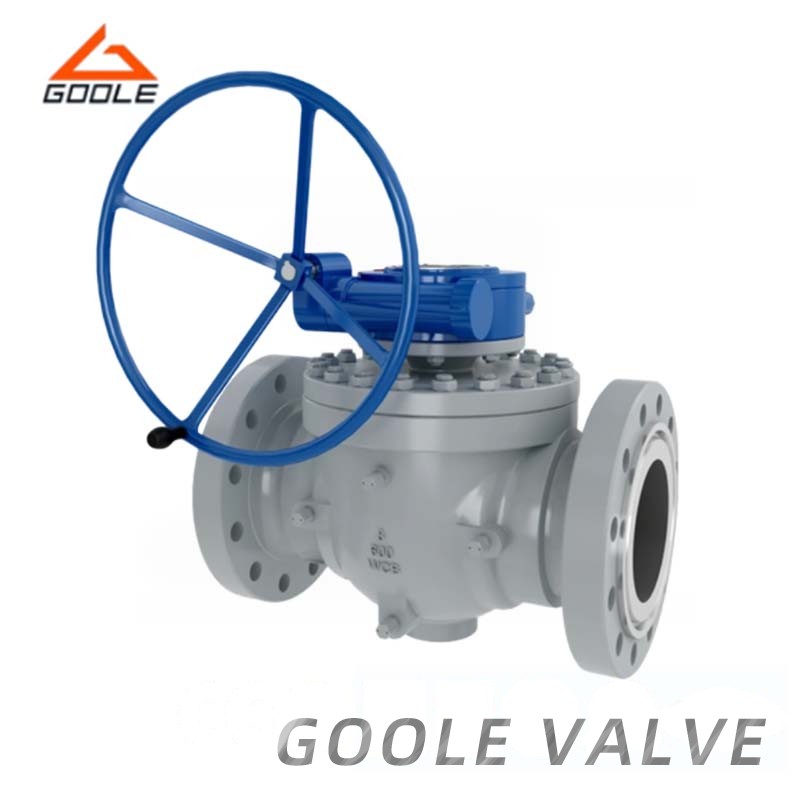
In continuous process industries, the method by which equipment is maintained directly impacts overall facility profitability. The top entry design has earned its reputation as the ultimate pipeline maintenance valve precisely because it bypasses the most disruptive aspects of infrastructure repair.
In high-pressure transmission systems, valves are frequently fully welded into the pipeline. This eliminates fugitive emissions and prevents flange leaks. When a traditional welded side-entry valve requires internal repair, the maintenance process becomes a massive undertaking. Technicians must secure hot work permits, physically cut the steel pipe, and grind the edges to prepare for new welds. They extract the heavy valve and then reverse the entire process. This requires specialized welding crews and mandatory non-destructive testing, such as radiography, to verify the integrity of the new welds.
Because the top entry valve body remains permanently welded into the pipeline, there is no need for cutting, grinding, or re-welding. Consequently, you eliminate the requirement for hot work permits related to pipe cutting. You also skip subsequent radiography testing on pipeline welds. This drastically simplifies the logistical footprint of the maintenance event.
The financial impact of system downtime in sectors like Oil & Gas, Petrochemical, and Power Generation cannot be overstated. Shutting down a main transmission line or a refinery processing unit can cost hundreds of thousands of dollars per day.
Imagine a midstream gas compressor station facing a sudden seat leak. Replacing a fully welded side-entry valve might force a 72-hour facility shutdown to accommodate the cutting, welding, and testing phases. In stark contrast, an internal trim swap on a top entry valve can often be executed in a rapid 4-hour turnaround. Once the line is safely depressurized, a small mechanical crew unbolts the bonnet. They lift out the worn components, drop in a replacement trim kit, and return the line to service within a single shift. This expedited process aggressively protects the facility's bottom line.
The engineering principles behind these valves provide several distinct operational, safety, and financial advantages. These benefits resonate strongly with plant managers and maintenance engineers working in the trenches.
The primary benefit is the unparalleled simplicity of accessing the valve internals. Standard lifting equipment, such as a crane, chain fall, or customized extraction tool, is typically all that is required. Once the top cover is removed, the internal cavity is fully exposed. This allows technicians to easily inspect the body cavity for corrosion. They can replace worn-out soft seats or damaged metal seats and swap out a scored ball without wrestling with cumbersome heavy rigging to move the entire valve body.
In industries handling hazardous, toxic, or highly flammable fluids, minimizing fugitive emissions is a strict compliance requirement. Standard split-body valves have bolted joints connecting the segments of the valve body. Each of these joints requires a gasket. Each joint represents a potential external leak path if the pipeline experiences severe thermal cycling or heavy vibration.
The one-piece body construction of a top entry valve inherently eliminates these central body joints. The only external leak paths are the top bonnet gasket and the stem packing. By dramatically reducing the number of potential leakage points, these valves provide a much safer containment solution for hazardous media.
Procurement decisions in heavy industry are increasingly driven by Total Cost of Ownership rather than just the initial purchase price. The ability to easily swap internals means that the heavy steel valve body itself can remain in service for decades. It acts as a permanent fixture in the piping system. Instead of purchasing an entirely new valve every time the seats wear out, operators only need to procure relatively inexpensive internal trim kits. Over a 20-year lifecycle, the higher upfront cost of the top entry design is rapidly offset by massive savings in maintenance labor and minimized production downtime.
Pipelines are dynamic systems subjected to severe mechanical stresses. These include bending moments, axial loads, and thermal expansion forces. When a split-body valve is subjected to these forces, the stress is often concentrated at the bolted body joints, risking deformation and leakage. Because a top entry valve features a solid, single-piece cast or forged body, it possesses significantly higher structural rigidity. It bears extreme pipeline stress without transferring those loads to the internal moving parts. This ensures that the ball and seats remain perfectly aligned for a bubble-tight seal.
When specifying equipment, engineers must choose between a cast body and a forged body. Understanding these metallurgical differences is crucial. It ensures the valve can withstand the specific demands of the intended application.
Casting involves melting metal into a liquid state and pouring it into a pre-shaped mold where it cools and solidifies. This process is highly efficient for creating complex internal geometries, such as the one-piece body of a top entry valve. It is generally more cost-effective for large-diameter pipelines.
Forging involves taking a solid block of metal and shaping it using extreme localized compressive forces while the metal is heated but still in a solid state. This mechanical deformation aligns the grain structure of the metal to the exact shape of the part.
A forged top entry ball valve offers distinct metallurgical advantages over its cast counterpart. The forging process creates a structurally denser material. It is entirely free of internal voids, porosity, or shrinkage defects that can occasionally occur during casting. This dense, aligned grain structure provides superior mechanical strength, higher impact resistance, and exceptional fatigue resistance. Consequently, forged valves handle much higher pressures, severe thermal shocks, and aggressive mechanical vibrations without the risk of micro-fractures.
While cast top entry valves are perfectly suitable for standard utility and moderate-pressure applications, forged valves are the mandatory choice for critical, severe-service environments. Buyers should specify forged top entry ball valves for applications such as high-pressure natural gas transmission, deep-water subsea manifolds, critical offshore production platforms, and extreme cryogenic applications where material failure is absolutely unacceptable.
The industrial valve market is currently undergoing a significant transformation. This shift is driven largely by stricter Environmental, Social, and Governance mandates and the urgent need to optimize operational expenditure. Recent industry analyses highlight a growing preference among plant operators for equipment that supports predictive and in-line maintenance. As regulatory bodies like the EPA tighten permissible limits on fugitive emissions to meet ISO 15848-1 standards, the traditional reliance on multi-piece flanged valves is rapidly waning in favor of fully welded, single-piece body designs.
Furthermore, in volatile energy markets, the ability to maintain continuous throughput is a major competitive advantage. The trend is moving away from reactive, large-scale facility turnarounds. Instead, facilities are adopting agile, localized maintenance strategies. Top entry valves align perfectly with this shift. By allowing technicians to address seat wear or ball scoring without breaking the pipeline boundary, facilities maintain higher uptime percentages. They also reduce their carbon footprint associated with heavy maintenance equipment and significantly improve worker safety on the plant floor.
The unique in-line repair capabilities and robust structural integrity of these valves make them indispensable. They are critical across several heavy industries seeking reliable industrial pipeline solutions.
In the midstream sector, these valves are heavily utilized in natural gas transmission lines, crude oil pipelines, and pumping stations. Pipeline pigging stations—where cleaning or inspection devices are launched and received—rely heavily on top entry designs. Shutting down a major transmission line to replace a valve disrupts regional energy supplies, making quick in-line repairability a critical operational asset.
Petrochemical processing involves handling highly corrosive, toxic, and volatile chemicals under extreme temperatures. In these environments, minimizing leak points is a strict safety requirement mandated by environmental protection agencies. The one-piece body provides superior containment. Meanwhile, the ability to perform repairs without removing the valve prevents hazardous fluids from spilling onto the plant floor or exposing workers to dangerous fumes.
Space and weight are at an absolute premium on offshore oil rigs and Floating Production Storage and Offloading vessels. Removing a heavy, large-diameter side-entry valve from a tightly packed piping manifold often requires extensive scaffolding and complex rigging. That process is incredibly costly and dangerous. Top-entry designs allow for internal maintenance within highly constrained spaces without disturbing the surrounding pipework.
Performing on-site maintenance requires strict adherence to mechanical procedures and safety protocols. While the process is significantly faster than traditional valve replacement, technicians must execute it methodically to ensure safety and equipment integrity.
Safety is the paramount concern. It is a dangerous misconception that in-line maintenance means the valve can be serviced while the system is active. The pipeline segment containing the valve must be completely isolated using upstream and downstream block valves. The line must then be safely drained, and all internal pressure vented to zero. Lockout/Tagout procedures must be strictly enforced before any technician attempts to loosen the bonnet bolts.
Once the system is verified to be safe and depressurized, technicians begin by unbolting the top cover. Depending on the size of the valve, this cover can be quite heavy and may require a small hoist. After the bonnet and stem assembly are removed, a specialized extraction tool is threaded into the top of the ball or the seat wedge mechanism. Using a chain fall or overhead crane, the internal trim is carefully lifted straight out of the valve body cavity.
With the internals removed, technicians thoroughly clean and visually inspect the interior machined surfaces of the valve body. They check for signs of pitting, erosion, or corrosion. If the body is in good condition, new soft or metal seats are installed onto the replacement ball. The new trim assembly is then carefully lowered back into the valve. Proper alignment is critical to ensure the stem engages correctly. Finally, a new bonnet gasket is installed, the top cover is replaced, and the bolting is torqued to the manufacturer's specified tension in a cross-pattern sequence. This ensures a uniform, leak-free seal.
Selecting the appropriate equipment requires a meticulous evaluation of operational parameters, environmental conditions, and regulatory requirements. A poorly specified valve leads to catastrophic failures and the very downtime plant managers seek to avoid. Use this actionable criteria to guide your procurement.
The foundation of any specification process lies in adhering to recognized engineering standards. For pipeline applications, the most critical standard is API 6D, which dictates design, testing, and documentation requirements. Additionally, ASME B16.34 governs pressure-temperature ratings and materials. Fire-safe testing to API 607 or API 6FA is also crucial for hydrocarbon applications.
Engineers must match the valve pressure class to the pipeline maximum allowable operating pressure. Premium manufacturers supply these valves in sizes ranging from 2 inches up to 24 inches or larger. Pressure classes typically range from ASME Class 150 up to Class 2500. Higher classes require significantly thicker body walls and more robust internal mechanisms to withstand immense internal forces. Operators must also choose between full bore designs—minimizing pressure drop and allowing pigging—and reduced bore designs.
Material compatibility dictates the lifecycle of the valve. The body material must withstand external environmental corrosion and internal pipeline stresses, while the seats must maintain a bubble-tight shutoff.
Valve Body: Forged Carbon Steel A105 or Cast WCB is the standard for non-corrosive oil and gas lines. Forged Stainless Steel F304/F316 or Cast CF8/CF8M is specified for corrosive environments and chemical processing. Duplex or Super Duplex stainless steel is utilized in extreme environments, such as highly acidic sour gas applications handling H2S.
Soft Seats: PTFE is ideal for standard temperatures and clean fluids. PEEK or Devlon is required for high-pressure and moderate-to-high temperature applications.
Hard Seats: Metal-to-Metal seats, often coated with Tungsten Carbide or Stellite, are mandatory for abrasive fluids, slurries, and extreme high-temperature processes exceeding 300°C.
The complex internal geometry and precision machining required to manufacture a reliable one-piece body mean buyers should only partner with highly experienced manufacturers. A reputable vendor will provide verifiable material test reports, comprehensive non-destructive testing, and strict adherence to API 598 or API 6D pressure testing standards. Sourcing from an experienced manufacturer ensures that the precise tolerances required for in-line maintenance are met. This guarantees long-term technical support and documentation compliance essential for facility safety audits.
No. It is a critical safety misconception that in-line maintenance implies under-pressure maintenance. While the valve body remains physically welded or flanged within the pipeline infrastructure, the pipeline segment itself must be strictly isolated, completely drained of hazardous fluids, and fully depressurized before any maintenance begins. Opening the top bonnet of any valve while the system is pressurized will result in a catastrophic blowout, causing severe injury, environmental contamination, and facility damage. Standard Lockout/Tagout procedures and verified pressure-bleed protocols must be executed prior to removing the bonnet bolts. The advantage of the top entry design is solely the elimination of pipe cutting and valve removal, not the circumvention of depressurization safety protocols.
The fundamental difference lies in the body construction and the method of accessing the internal components. A side entry ball valve features a split-body design, typically consisting of two or three bolted pieces. To repair or replace the internal ball and seats, the entire valve must be unbolted from the flanges or cut out of the welded pipeline, shutting down the line for an extended period. Conversely, a top entry ball valve utilizes a solid, one-piece cast or forged body with a removable top cover bonnet. This specialized architecture allows maintenance personnel to unbolt the top cover and use specialized lifting tools to extract the ball, stem, and seats vertically. The valve body remains permanently installed in the pipeline, saving significant time, labor, and heavy equipment costs during maintenance turnarounds.
Yes, the initial capital expenditure for a top entry ball valve is generally higher than that of a comparable side entry valve. This price premium is driven by the complex manufacturing processes required to machine the internal cavities of a one-piece body and the sophisticated wedge or spring-loaded mechanisms needed to secure the seats from the top. However, evaluating cost based solely on purchase price is short-sighted. When calculating the Total Cost of Ownership, top entry valves are highly cost-effective. The slightly higher upfront cost is rapidly offset by the massive reduction in operational expenditure during maintenance. By eliminating the need for pipe cutting, re-welding, radiography testing of new welds, and prolonged production downtime, a single in-line maintenance event can often yield savings that exceed the initial price difference of the valve.
Choosing a forged top entry ball valve over a cast equivalent provides superior structural integrity and reliability, particularly in demanding environments. Casting involves pouring molten metal into a mold, which inherently carries the risk of microscopic defects such as porosity, shrinkage cavities, or sand inclusions. While advanced casting techniques and non-destructive testing minimize these risks, they cannot entirely eliminate them. Forging, on the other hand, involves shaping solid metal billets under immense thermal and mechanical pressure. This process aligns the grain structure of the metal to the shape of the valve, resulting in a denser, stronger, and more uniform material free of internal voids. Forged valves are highly recommended, and often mandated, for severe service applications, extreme high-pressure gas transmission, subsea installations, and environments subject to rapid thermal shocks where any metallurgical weakness could lead to a critical failure.
Yes, top entry ball valves inherently present fewer potential external leak paths compared to standard side entry valves. A traditional two-piece or three-piece side entry valve relies on large bolted body flanges sealed with gaskets to hold the valve body together. Over time, pipeline stress, thermal cycling, and pressure fluctuations can cause these body joints to loosen or the gaskets to degrade, leading to fugitive emissions leaking into the environment. Because a top entry valve features a single-piece body design, there are zero body joints below the pipeline axis. The only external leak paths are the top bonnet gasket and the stem packing. This minimized leakage profile makes the top entry design highly desirable, and sometimes legally required, for pipelines handling highly toxic, flammable, or environmentally hazardous fluids where fugitive emissions must be strictly controlled to meet ISO 15848 or EPA standards.
Assuming the pipeline has already been safely isolated and depressurized, a trained mechanical crew can typically complete a full internal trim replacement on a standard-sized top entry ball valve within 4 to 6 hours. This timeframe includes unbolting the bonnet, extracting the old ball and seats, cleaning the internal cavity, dropping in the new trim kit, and re-torquing the bonnet bolts. In contrast, cutting out a welded side-entry valve, welding in a replacement, and performing mandatory radiography testing can easily consume 48 to 72 hours.
Field maintenance requires standard industrial mechanical tools along with a few specialized items. Technicians need heavy-duty torque wrenches or hydraulic tensioners for the bonnet bolting. Because the internal trim is heavy, overhead lifting equipment like a chain fall, A-frame gantry, or boom crane is essential. Most importantly, manufacturers provide a specialized extraction tool—often a custom-threaded lifting eye or a specific puller mechanism—designed to engage the top of the ball or the seat wedge assembly to safely hoist it vertically out of the valve body without scoring the machined interior walls.
The top entry ball valve ensures continuous operation and provides essential safety for your facility. By transforming disruptive pipeline cuts into efficient in-line maintenance, it stands as a remarkably smart long-term investment that protects your pipeline integrity effectively. While traditional side-entry valves may seem cheaper at first glance, top-entry options undeniably save substantial money over time through reduced labor, fewer replacement parts, and minimized production downtime. We invite you to contact our engineering team to discuss your specific pipeline requirements. Let us help you select the exact specifications for your project. Request a quote tailored to your operational needs, or browse our product catalog at Goole Valve for more detailed technical specifications and proven industrial solutions.


